
Is the technology ready?
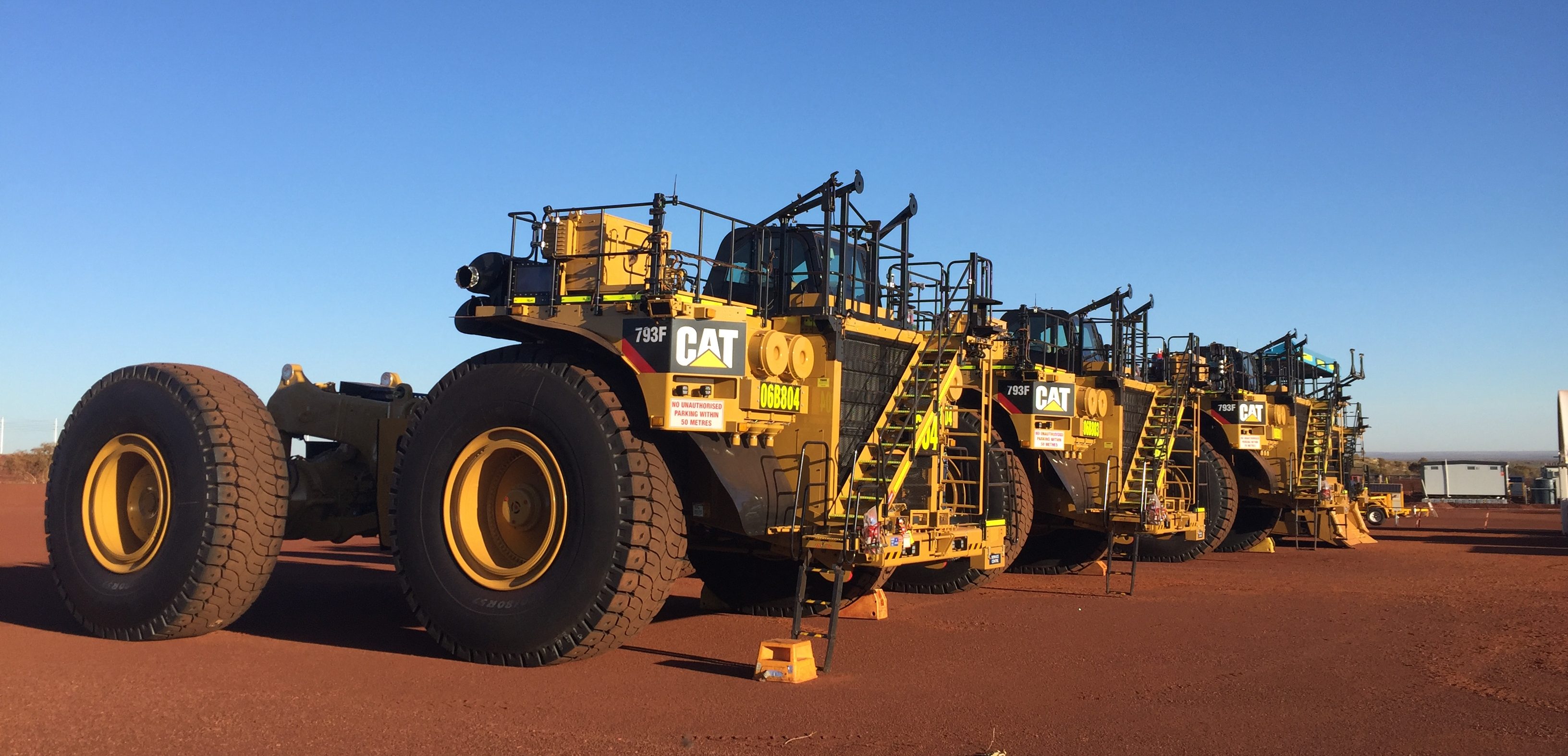
Today’s landscape of autonomous mining solutions is deeply diversified between competent, capable products and some products which have just left the drawing board.
The question of technology readiness is no longer a primary concern to the major players in the autonomy product market; the proven safety is case is there.
That doesn’t mean every product is equally mature. The market still ranges from well-established systems with thousands of operating hours to solutions that are only just emerging.
The good news is that, for organisations prepared to adopt a proven platform, technology readiness is no longer the greatest source of risk.
Is the operation ready?
An autonomous mining system runs on data—accurate, timely and continuously maintained data.
Information from perception systems, positioning, mine planning, dispatch and communications must all be reliable for autonomous vehicles to operate safely and productively. The level of data fidelity required is significantly higher than in conventional mining operations.
Conventional mining often allows organisations to hide the sins of poor data quality, inconsistent processes and operational inefficiency. Experienced operators compensate. Supervisors work around the problems. Paper records fill the gaps.
Autonomy is far less forgiving.
Retrofitting existing equipment also means maintenance practices must be disciplined and thorough. Rectification of base truck issues adds time, complexity and cost. Let that truck fall off its regular servicing, things will need to be serviceable before autonomy can be reliable.
It shines a spotlight on every one of those sins. An inaccurate mine plan, a poorly maintained digital map, inconsistent operating practices or weak data governance will quickly become visible because the autonomous system depends on them being right.
Autonomy doesn’t create these problems—it exposes them.
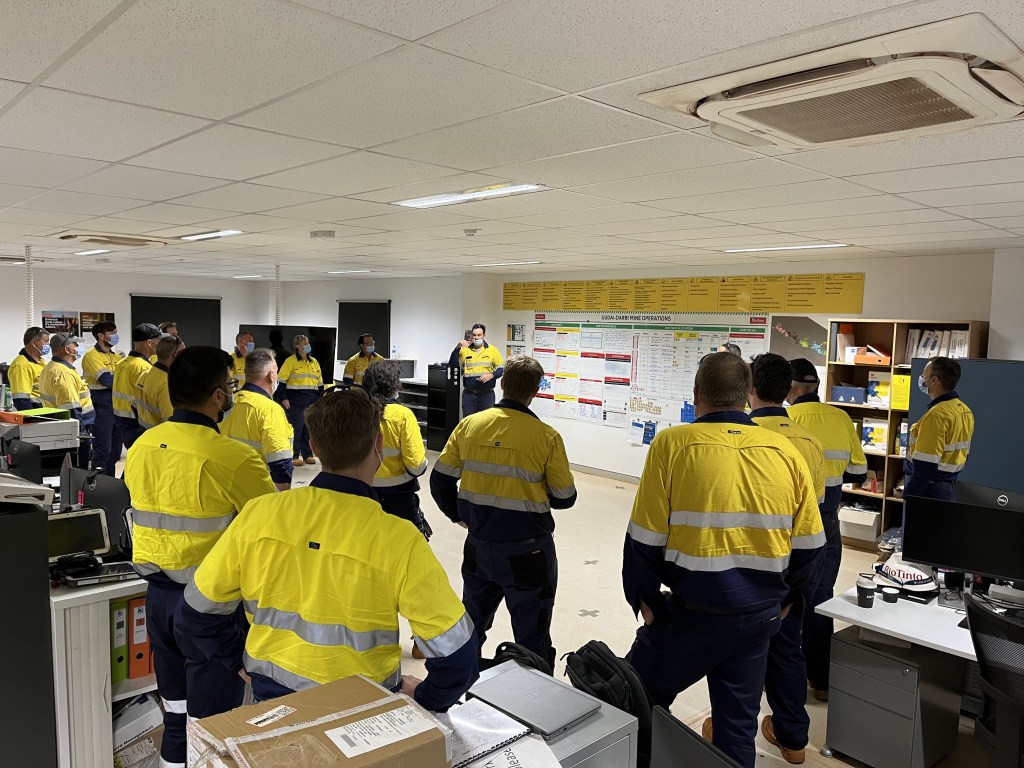
Are the people ready?
Technology is only a tool. Its value is determined by the people who use it.
Give a carpenter a hammer and they’ll build a house. Give that same hammer to someone with no training and they’ll struggle to build a fence. Autonomous mining is no different. The technology may be capable, but productivity, safety and value are ultimately determined by the capability of the people and the organisation that supports it.
Planning, structure and engagement have a greater influence on the success of an autonomy deployment than almost any technical decision.
Long before the first autonomous truck enters production, organisations should be identifying skills gaps, assessing operational risks and preparing people for new ways of working. Organisational change management, clear communication and genuine workforce engagement are not supporting activities—they are fundamental.
Is the business ready?
Autonomy is more than a technology project—it is a leadership challenge.
Technology can be deployed. Trucks can be commissioned. Systems can be integrated. But only leadership can align the organisation behind a common vision and sustain the change required to realise its benefits.
From the very beginning, leaders must define what success looks like. Is it safer operations? Higher productivity? Lower operating costs? Greater equipment utilisation? Without a clear, measurable and shared vision, every function will optimise for something different.
That vision must then be translated into meaningful KPIs, supported by strong governance and timely decision-making. Leaders need visibility of the right information, the discipline to act on it, and the willingness to remove barriers as the organisation adapts to new ways of working.
Autonomy changes more than how trucks operate. It changes how the business measures performance, manages risk and leads people.
Technology makes autonomy possible.
Leadership makes it successful.
 Full Auto Mining
Leave a comment